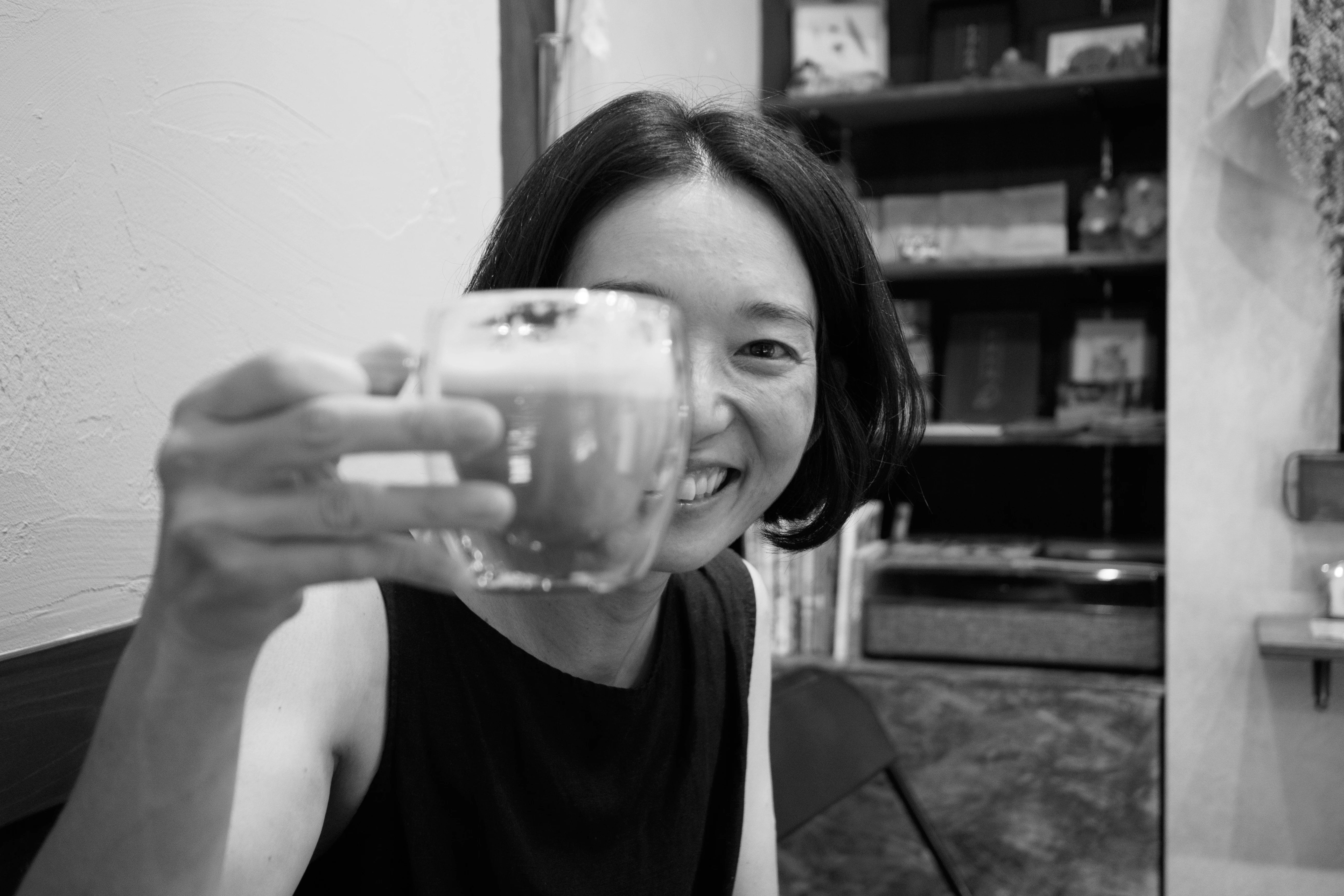
The Spirit of Amaretto at Suzumesya
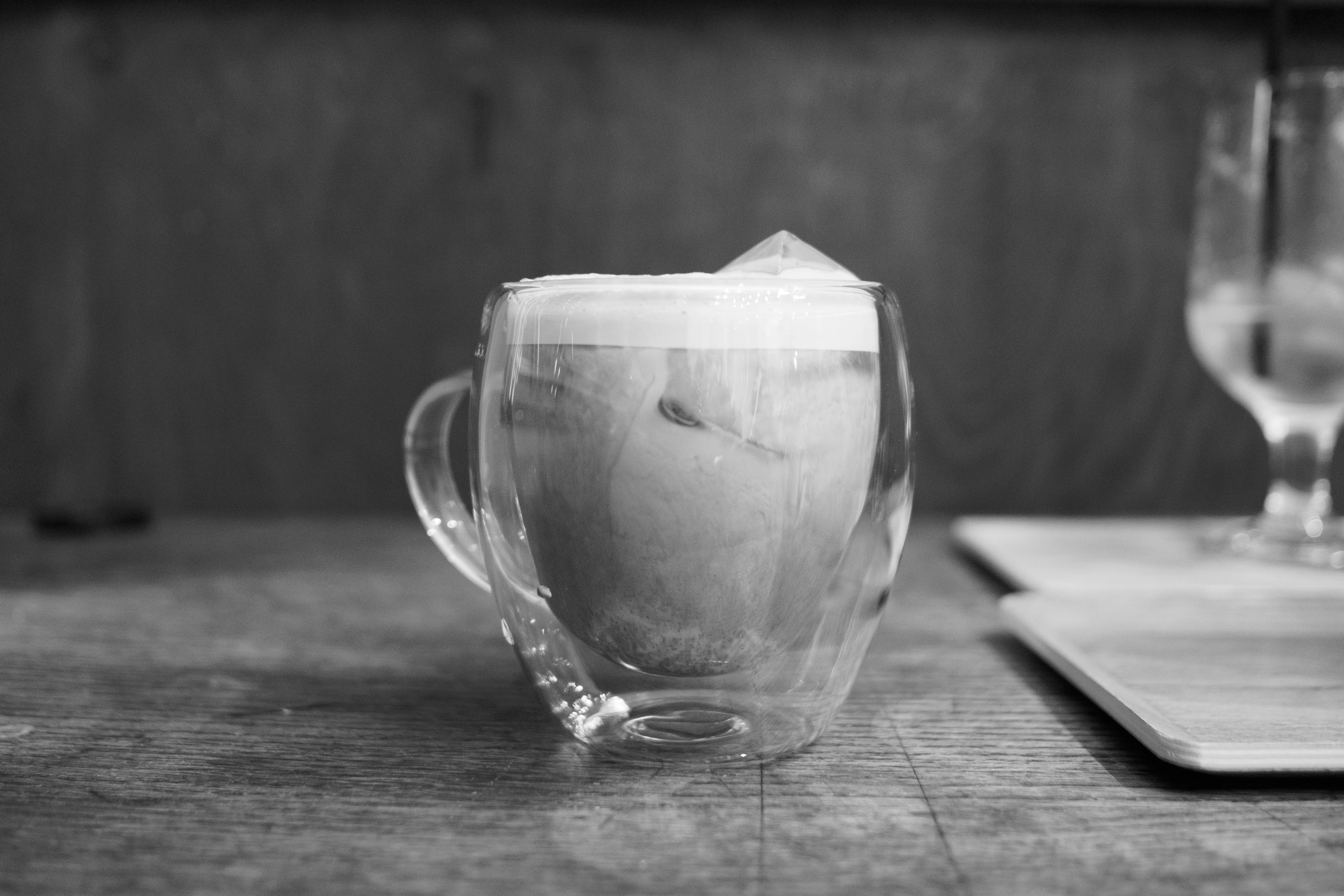
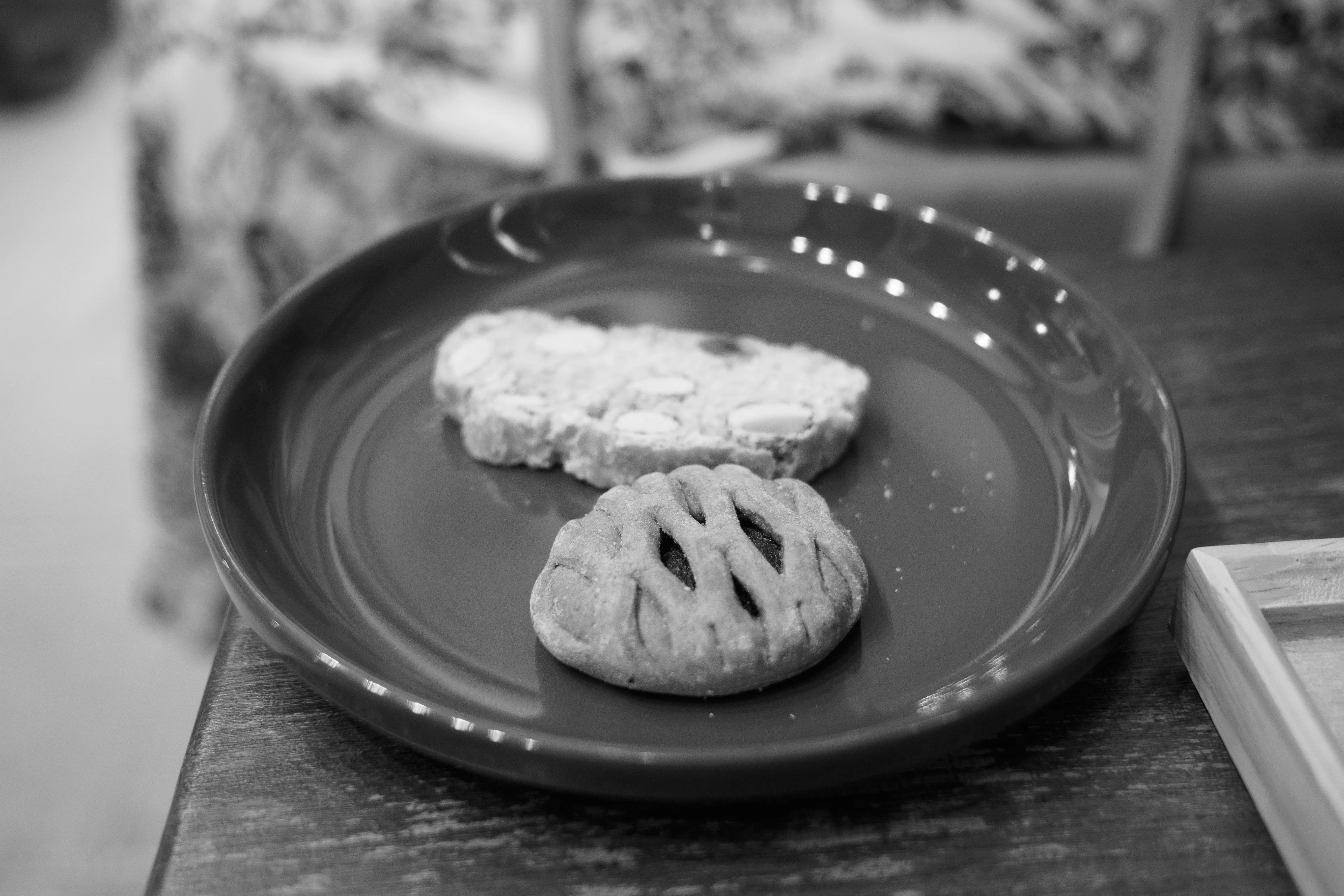
An amaretto coffee and an almond in doubt.
Before leaving Poland, whither I had gone on a whirlwind work trip, I filled a suitcase with sweets, for there are affections which, unable to express themselves, settle for fattening their recipients. The rest I had already brought home within me: the vodka and the moonshine of the forested region of Podlasie, which they distil at home and of which every neighbour always carries five litres for emergencies. They call it duch puszczy, the spirit of the forest. I can say that I am now an indivisible part of it, like a deer, a wild boar or a capercaillie. I spent the first Monday back thick-headed with jet lag, aspiring to nothing beyond home, quiet and the miracle of air conditioning.
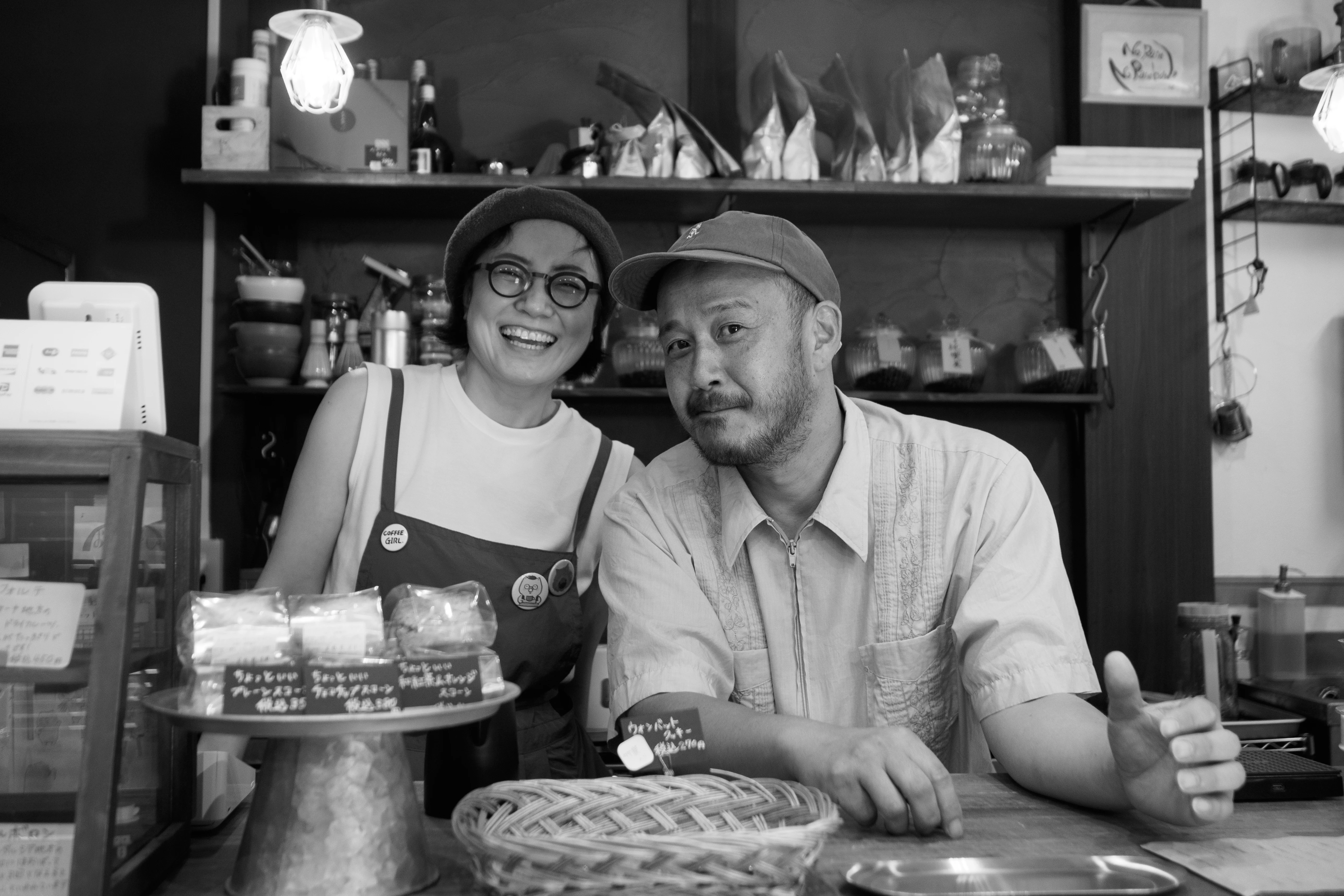
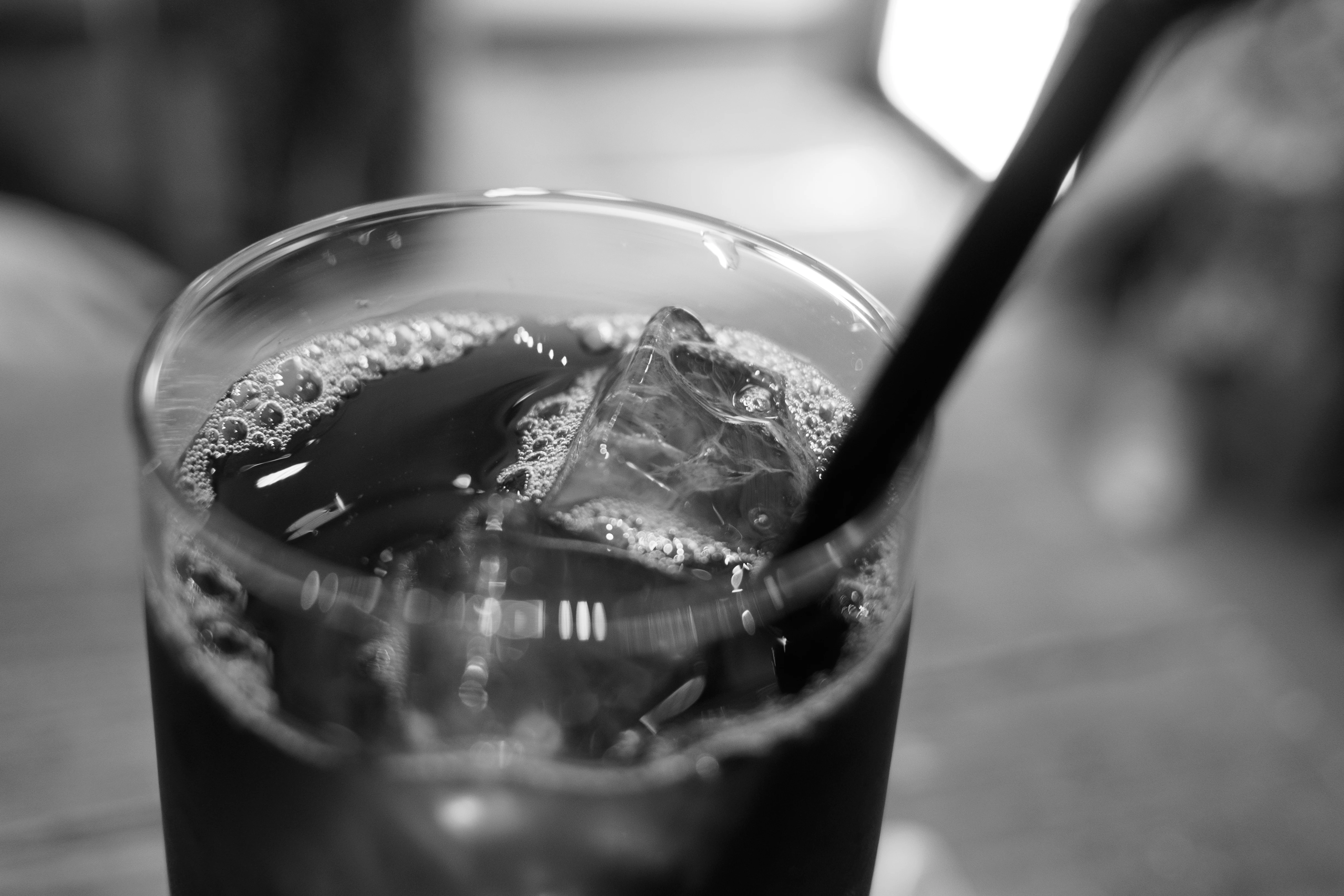
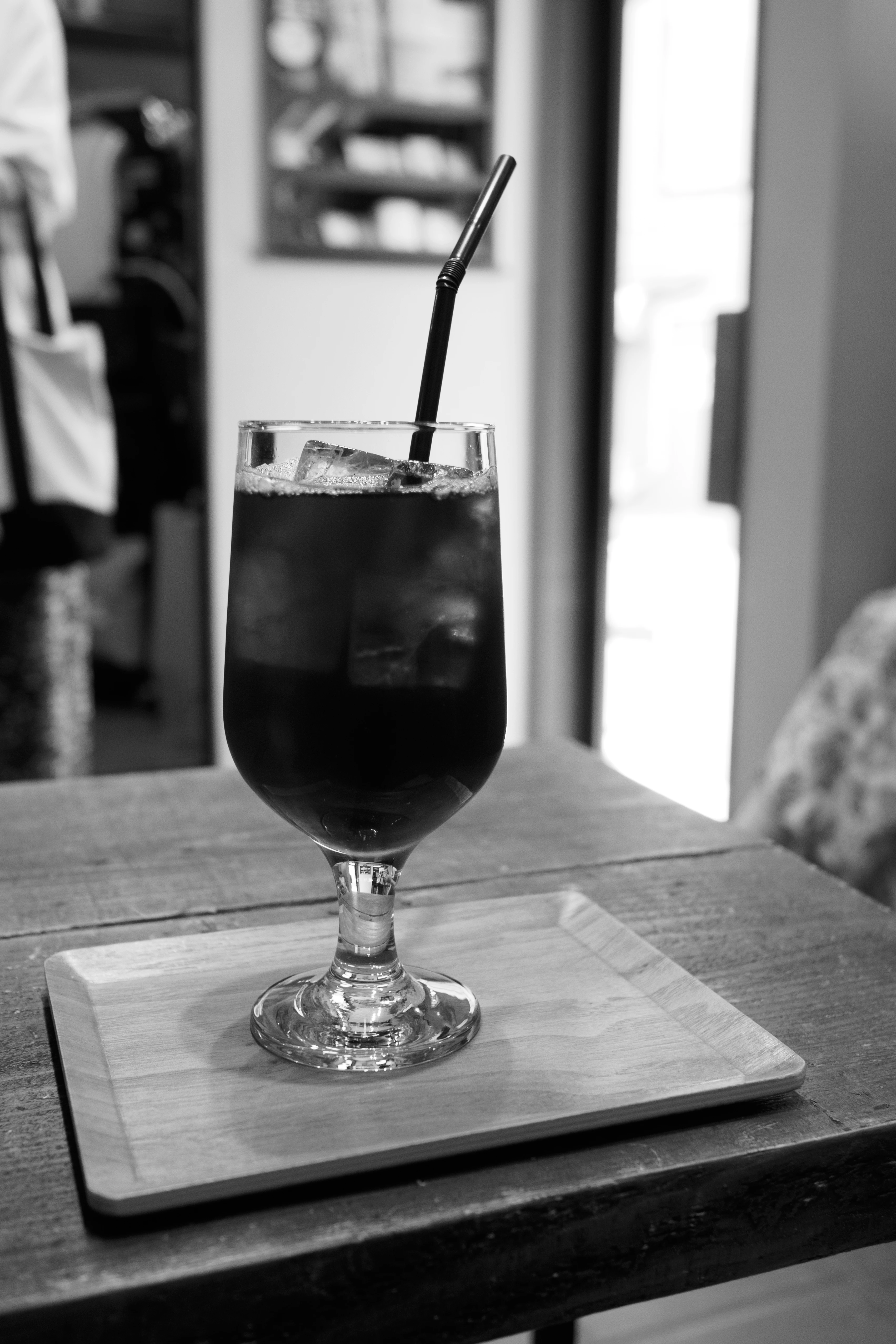
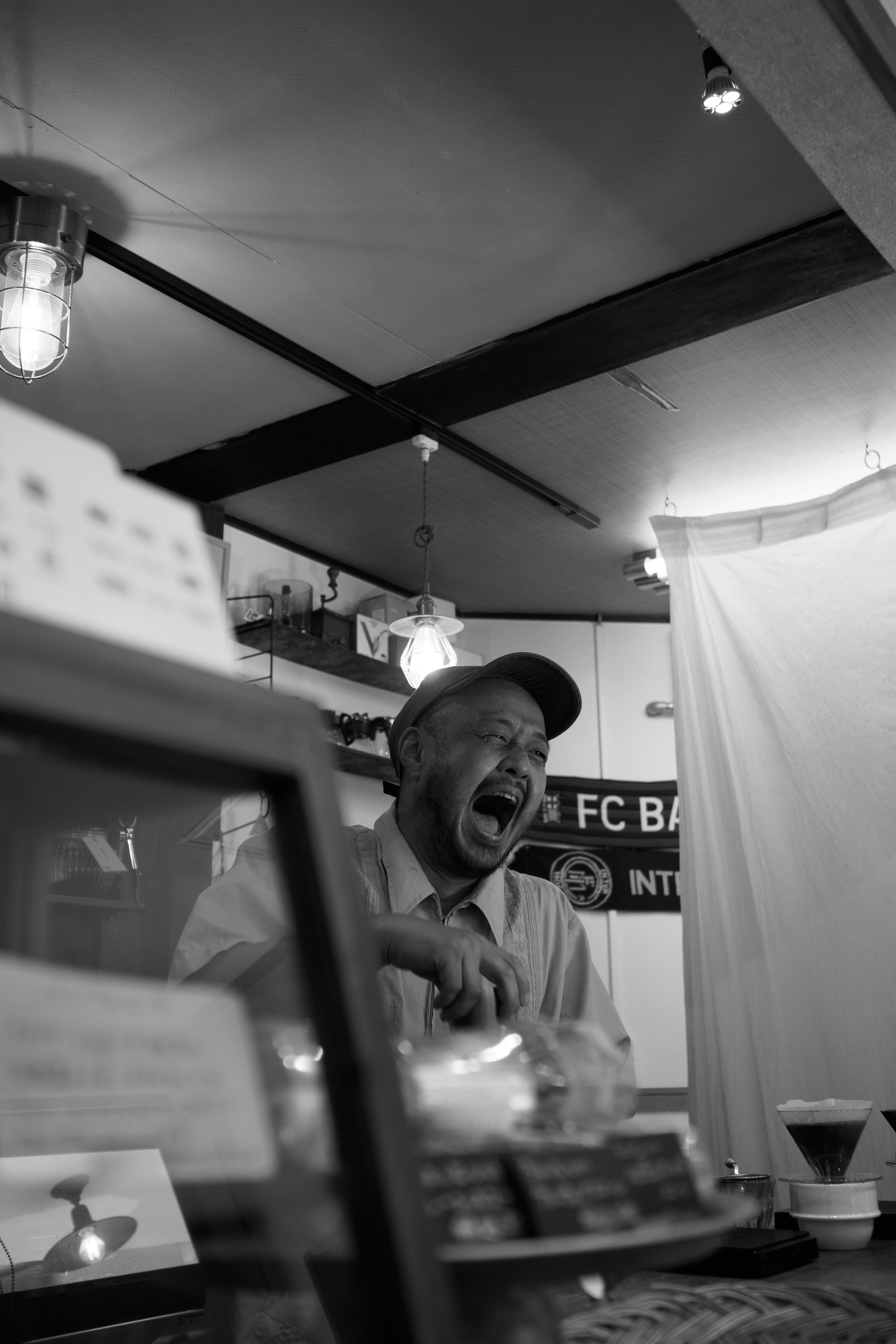
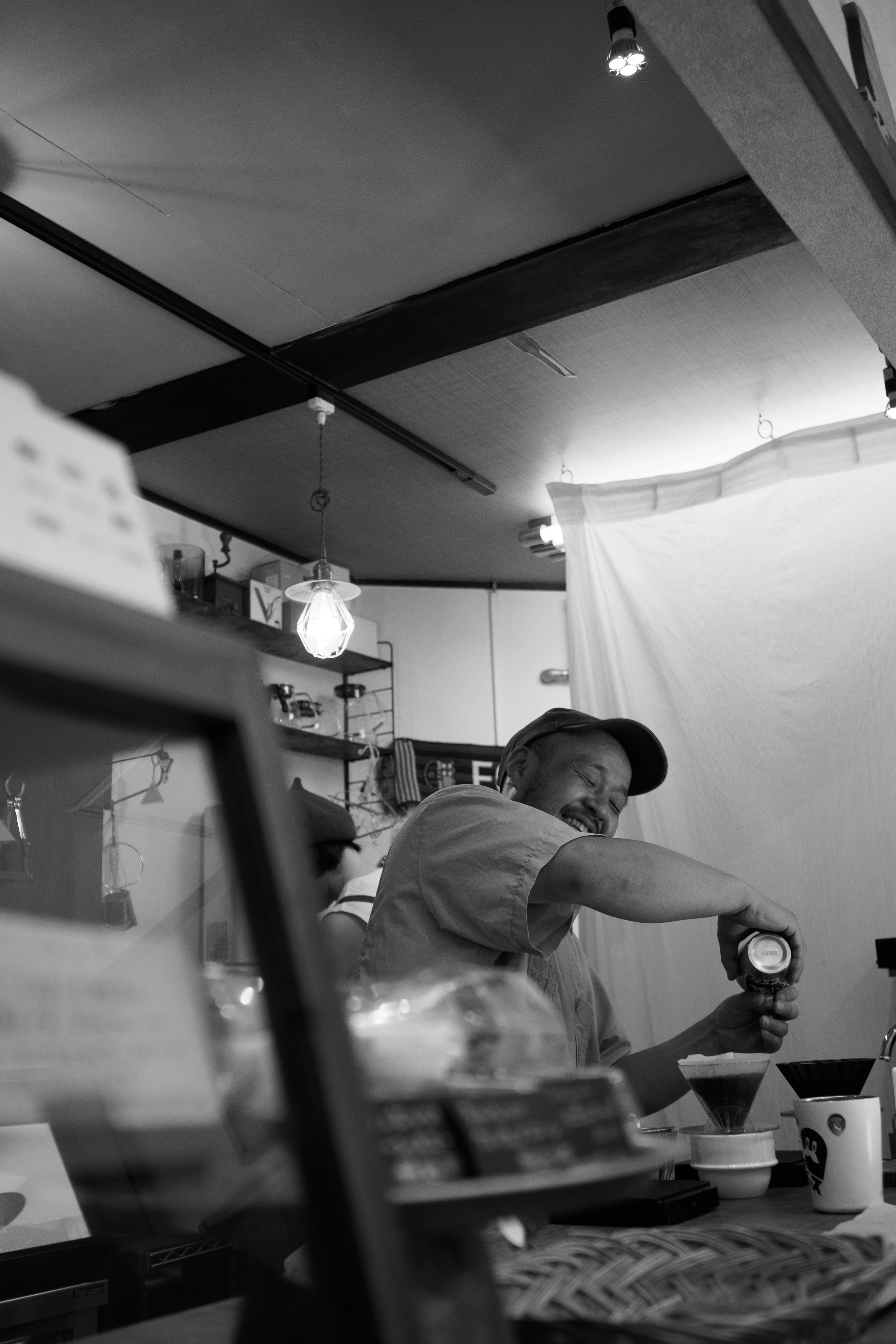
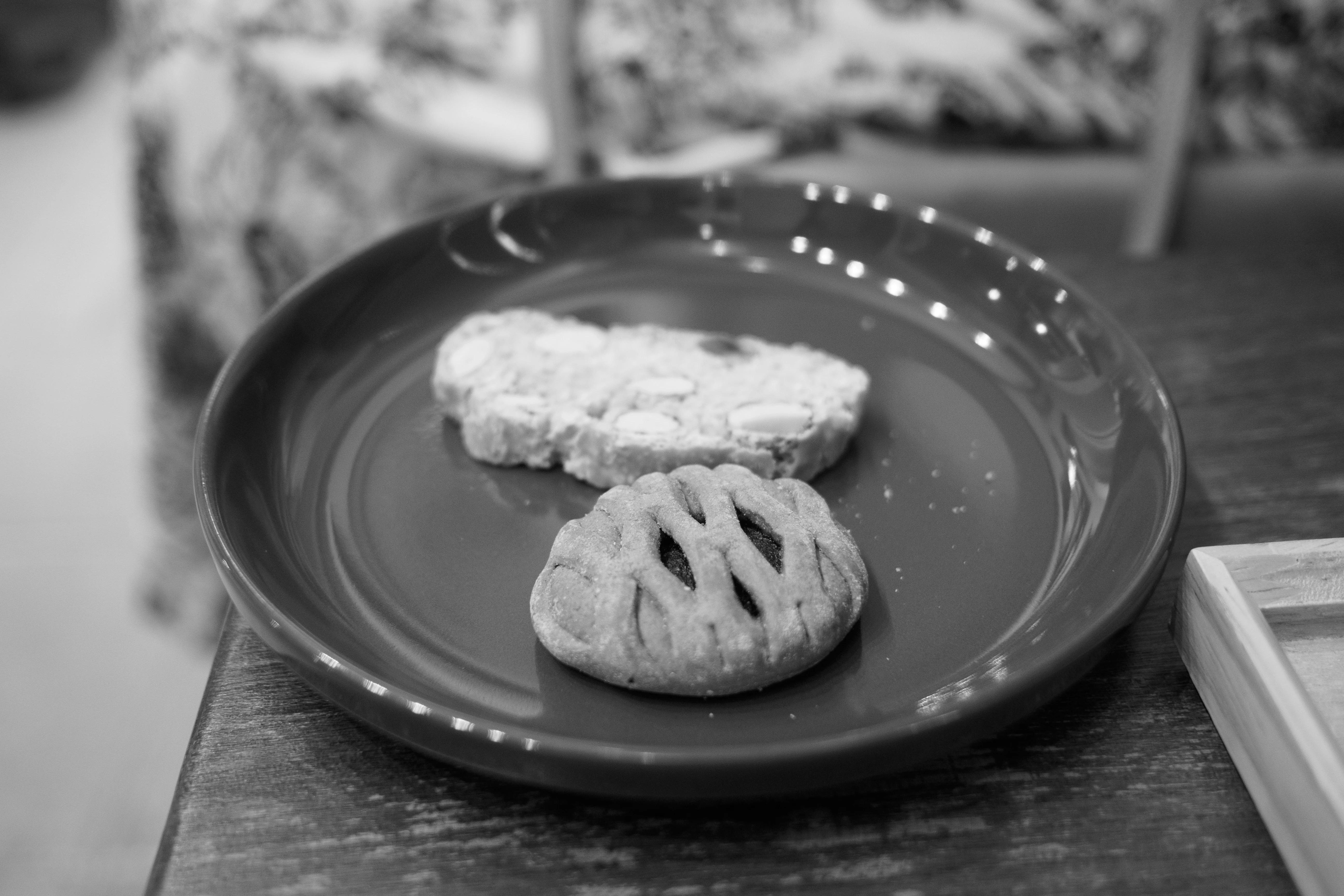
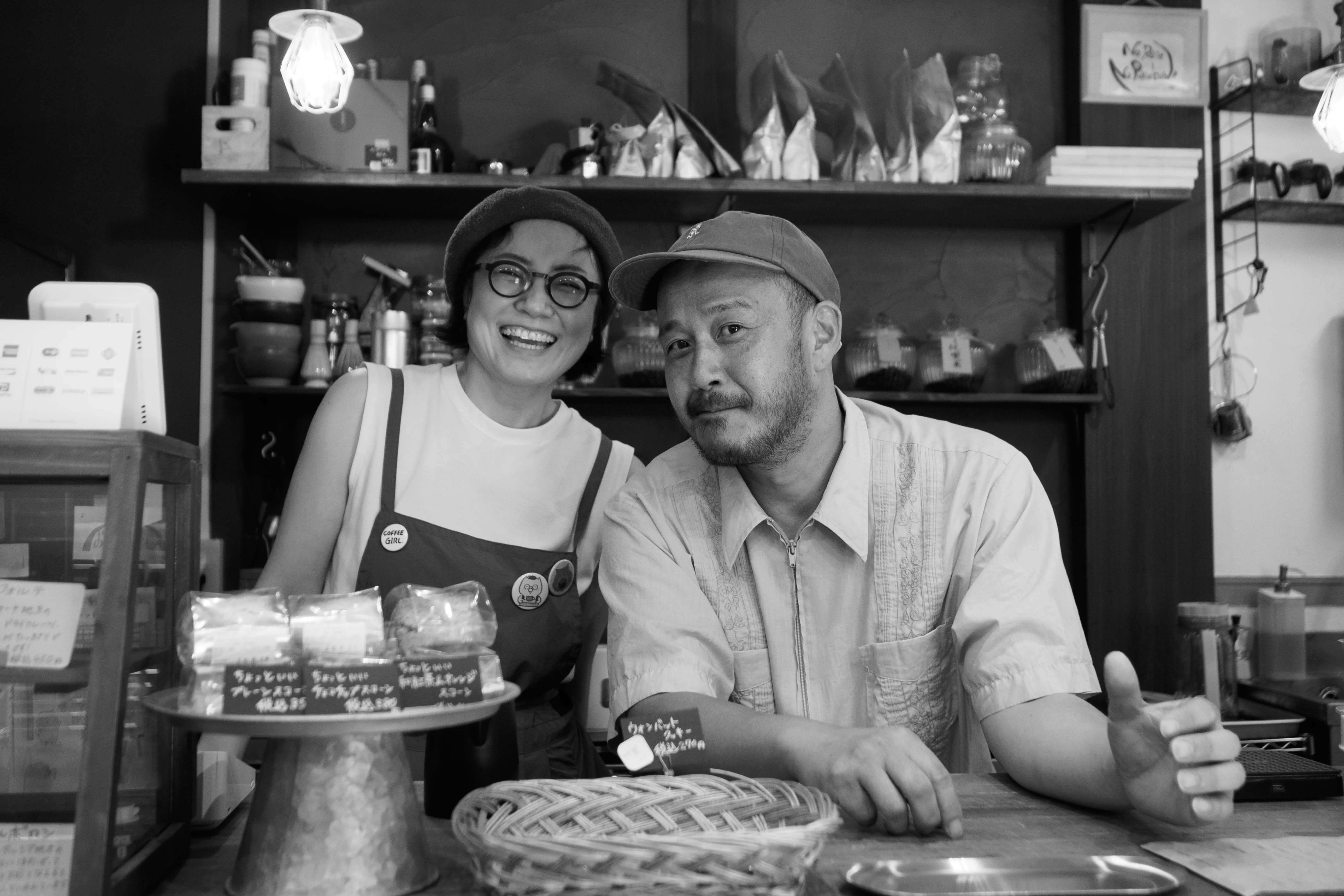
By the second day I was fit to leave the house, so I went with Kei to Suzumesya, my favourite place in Ikeda, run by Akira and Rie. I brought them a bag of assorted Polish biscuits, carquinyolis and a book about Spanish potato omelette which proved instructive in more ways than one. I ordered an iced coffee at Akira's discretion, a discretion embracing bean, roast and method. I am in good hands, and I no longer ask.
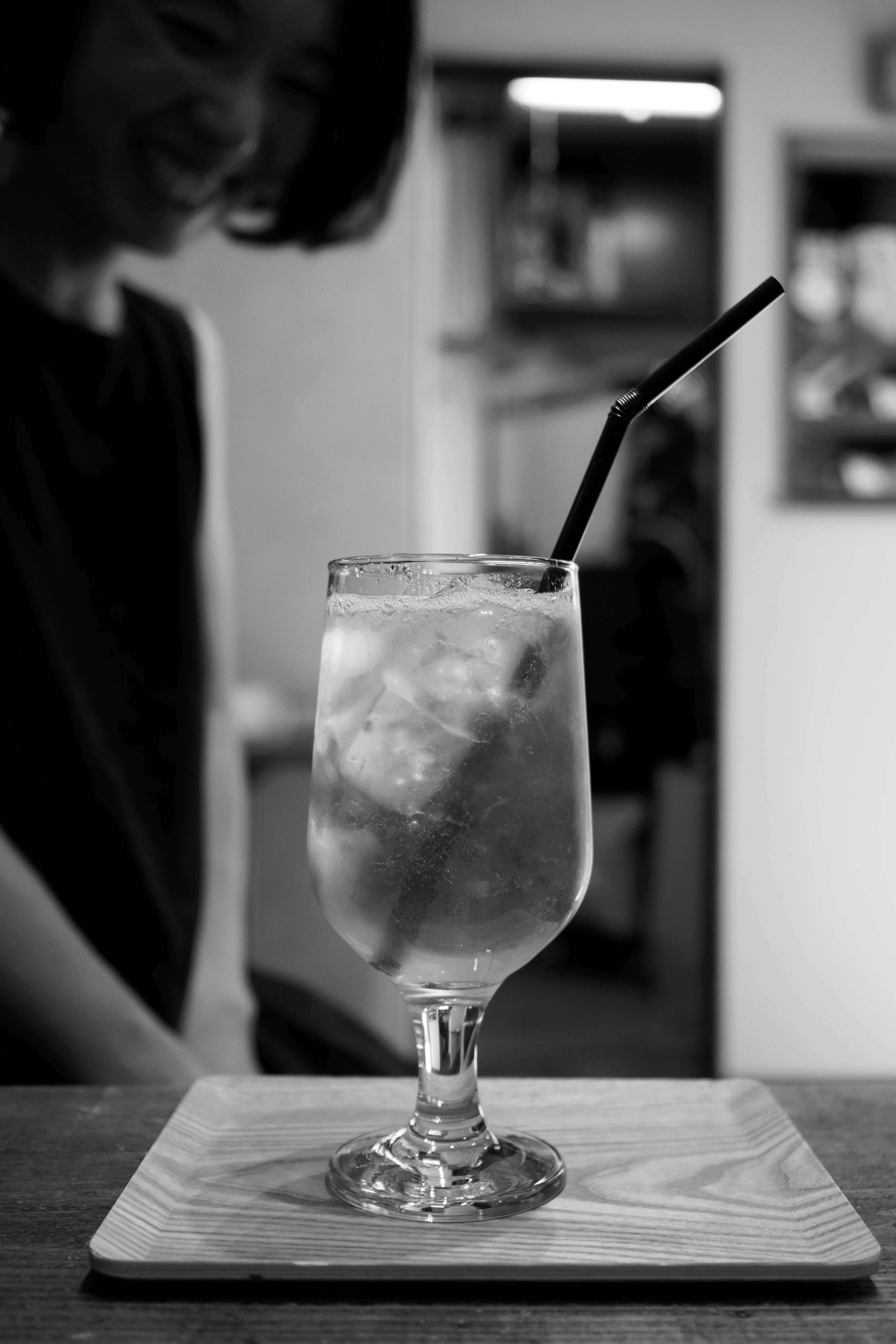
There was, besides, a novelty on the menu that demanded attention: a soda with coloured jellies, little floating worlds, translucent and bright, tutti-frutti, streamers and forms that changed unpredictably. One draws on the straw and the jelly catches; then there is a sudden ignition along an inverted slide which, however expected and desired, never takes the same shape twice.
Everything was peaceful and uneventful. My rehabilitation was going well. It was precisely at that point of calm, with my guard down, that Akira asked whether I wanted to try his new amaretto coffee. I said yes with a Pickwickian impulse: I reacted by induction, like the hand that tries to catch a cap when a travelling gust of wind blows it away at a traffic light. And then, far too late, I remembered that amaretto has always been the business of carefully calculated seductions. Legend in Saronno has it that in 1525 a pupil of Leonardo, Bernardino Luini, painted the town's innkeeper as the model for a Madonna, and that she, in gratitude, gave him a homemade liqueur of apricot kernels steeped in brandy. Five hundred years later, in a café in Ikeda, there was no fresco and no innkeeper, but the machinery of seduction by liqueur remained intact, in working order. All historiography is merely a definition of what follows.
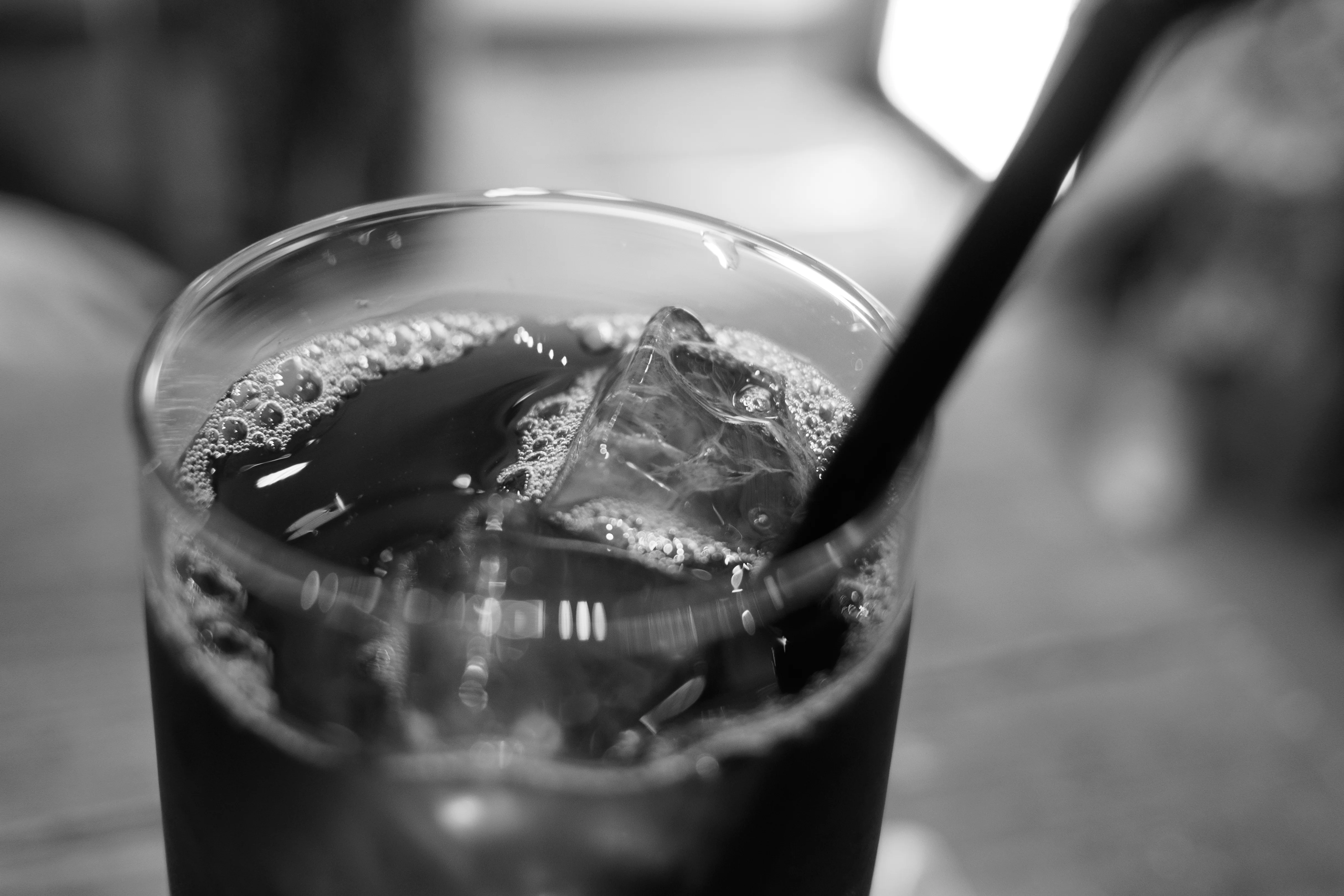
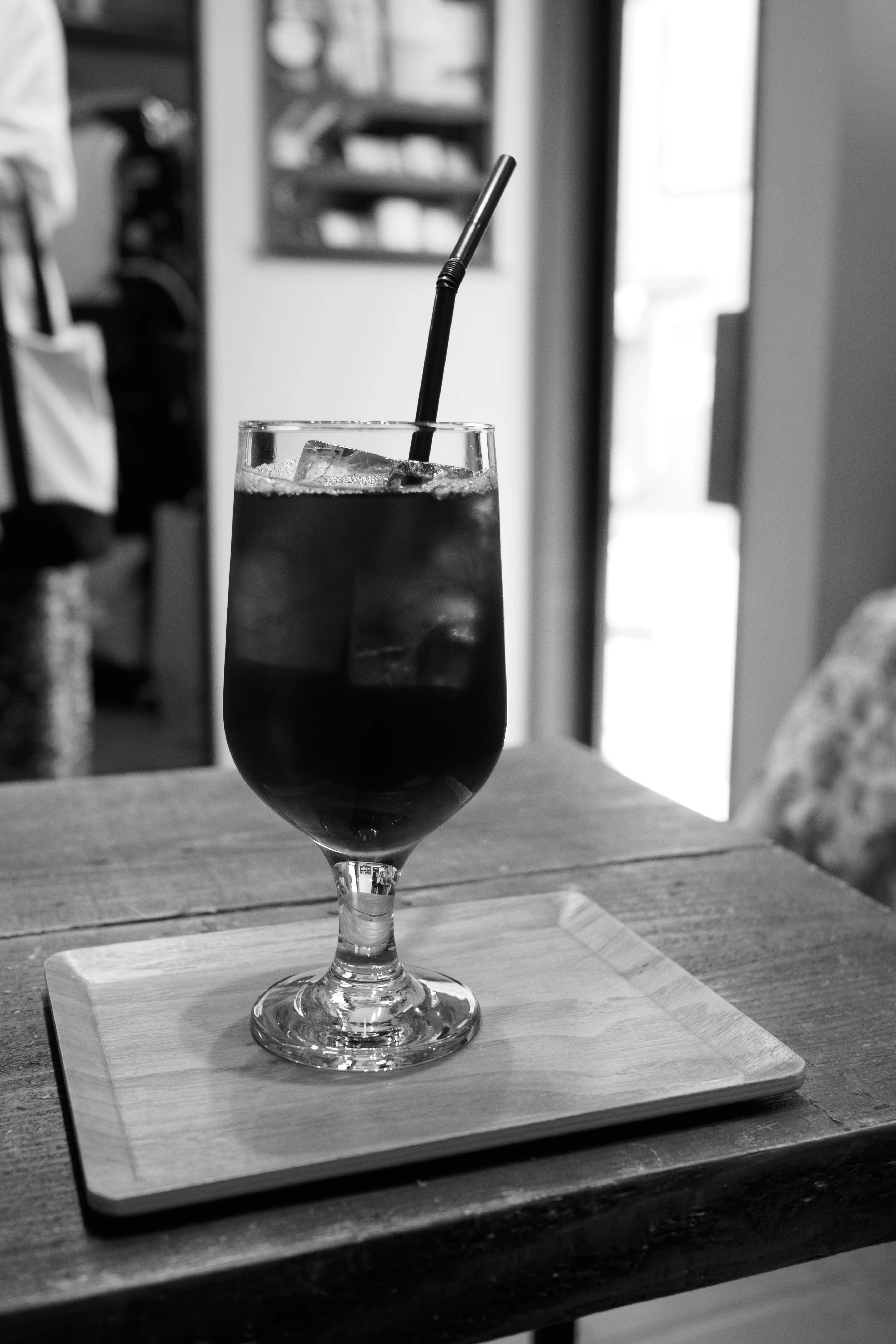
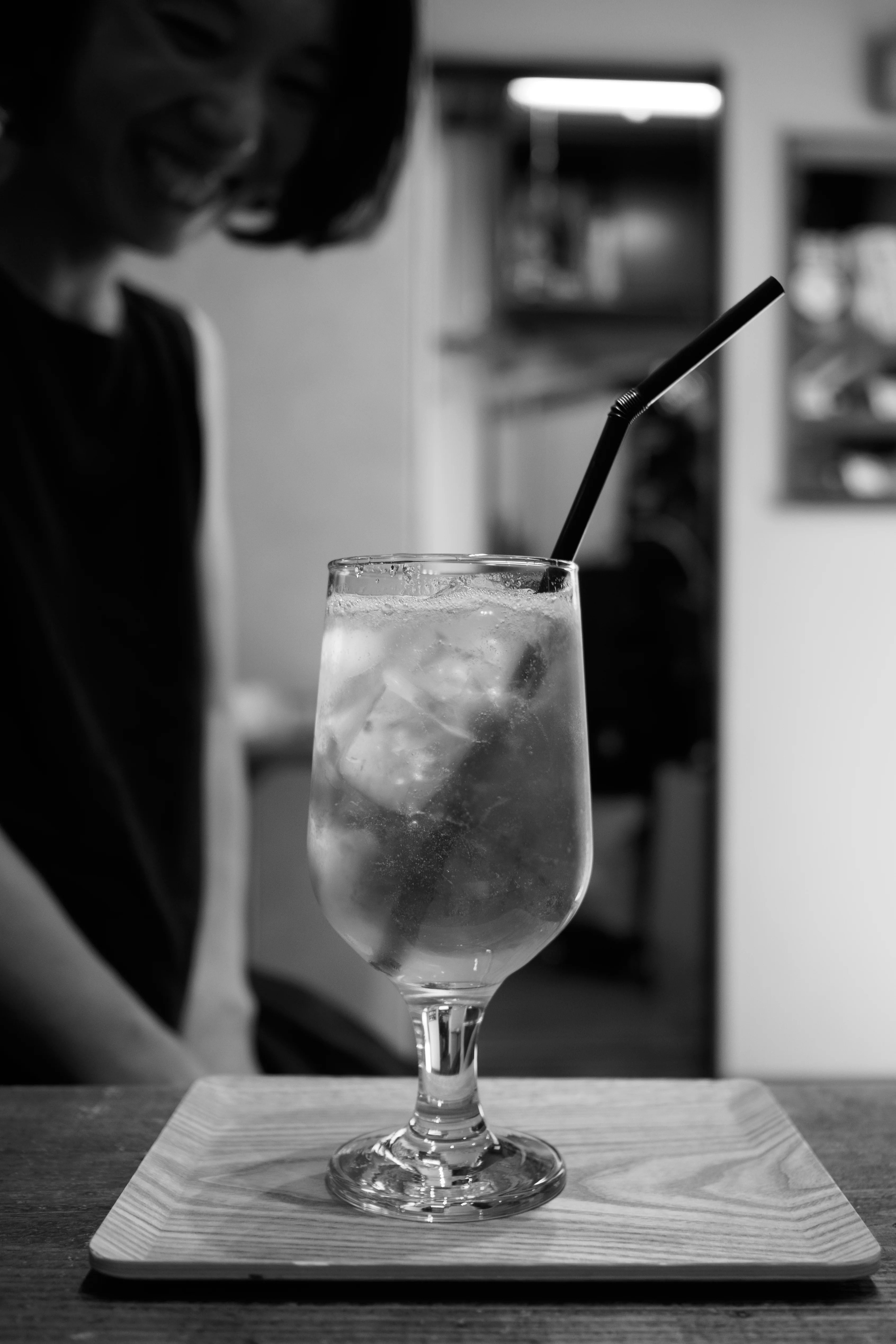
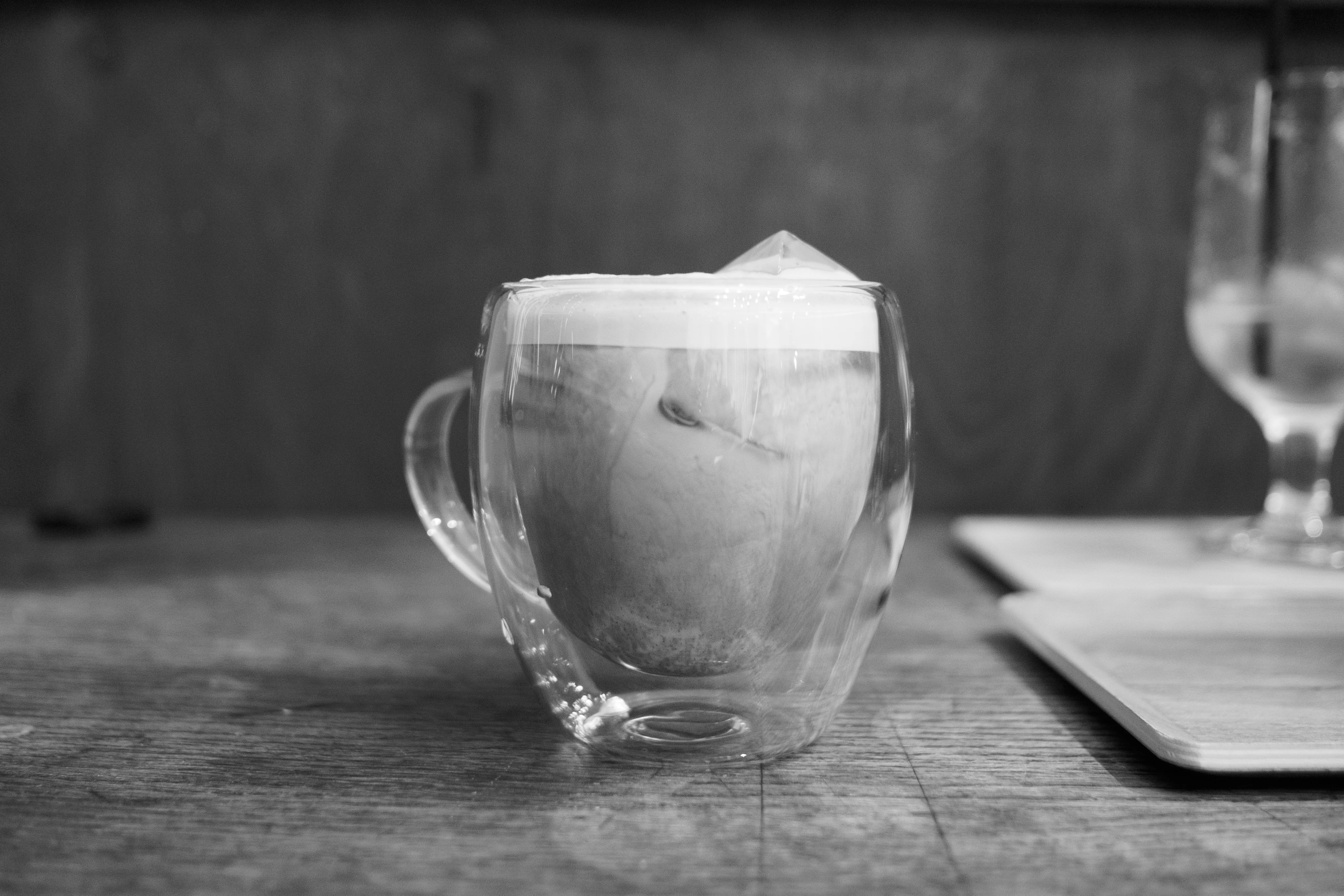
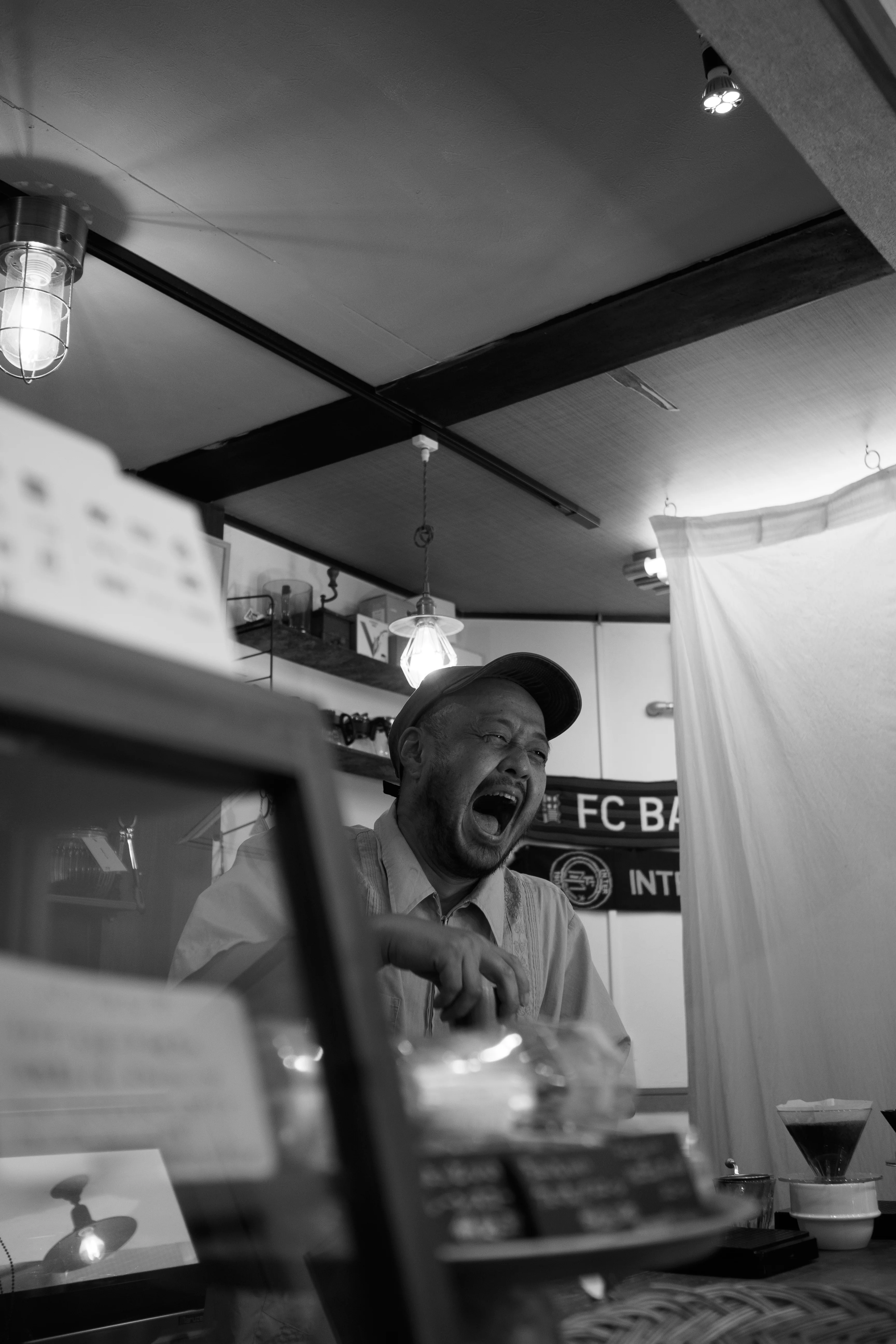
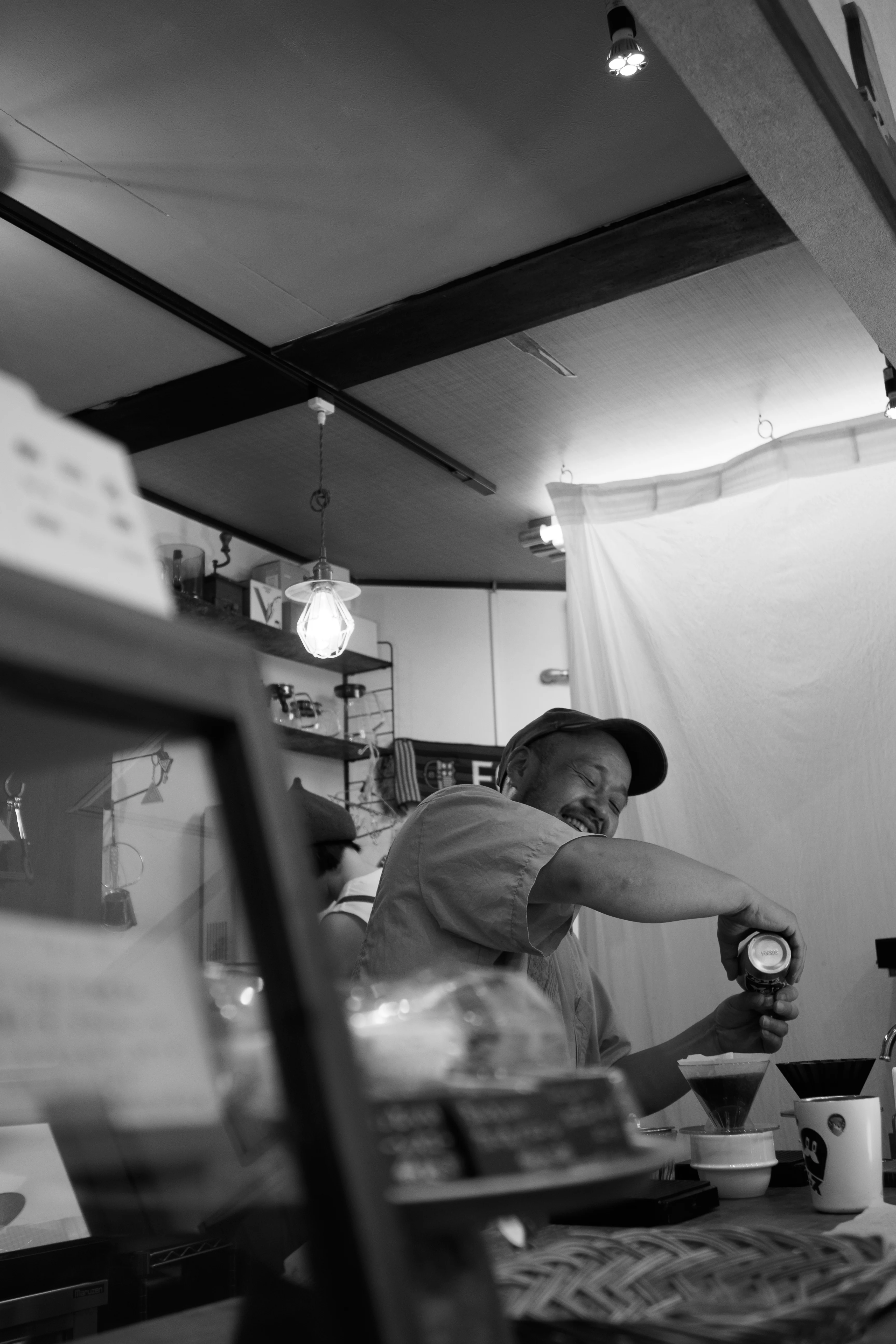
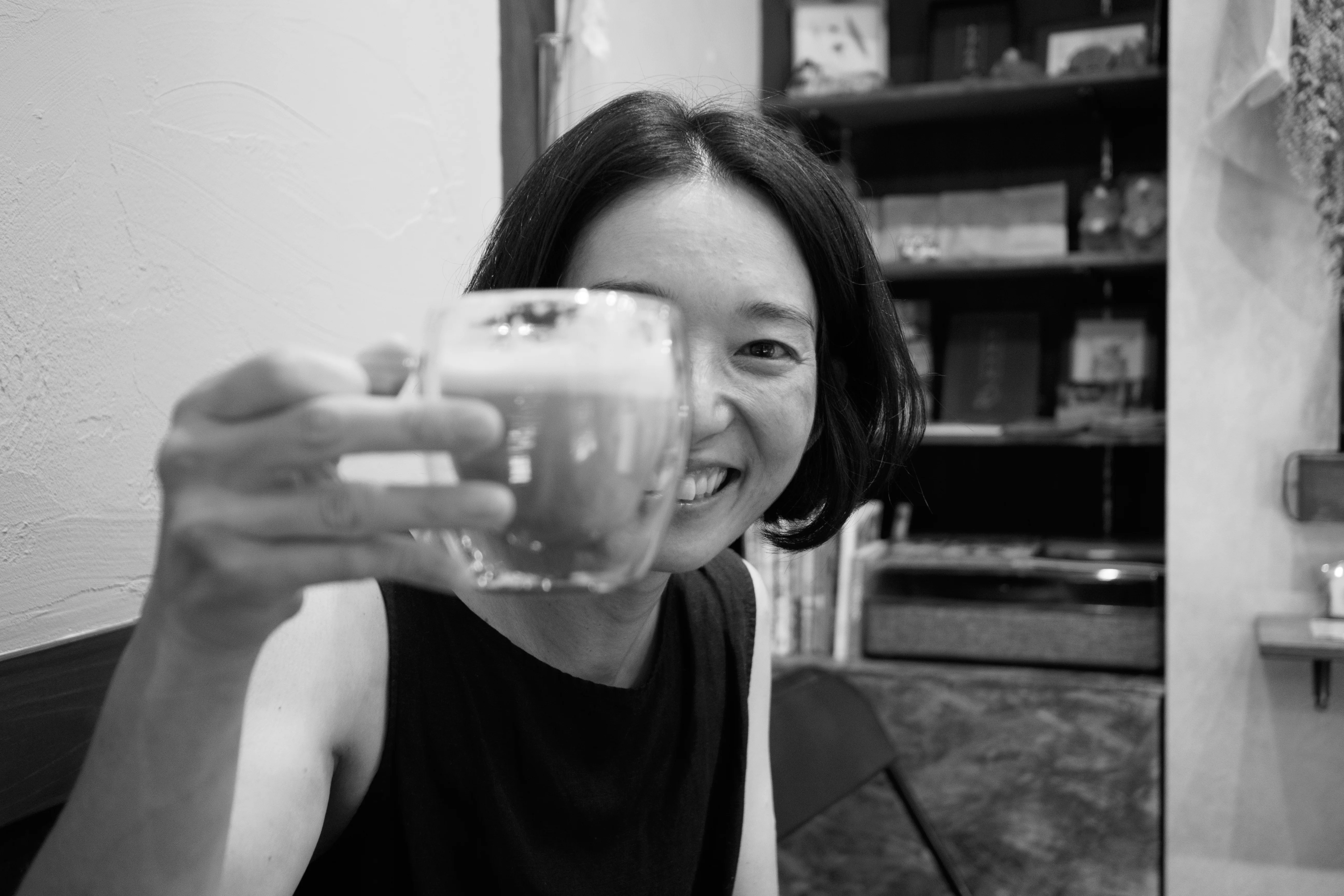
The drink was delicious, aromatic and balanced, like all of Akira's works. Kei and Yuka-san recoiled as they brought their noses to the cup: the alcohol made those delicate receptors deflagrate, little accustomed to the hospitable spirits of the woods.
I detected no deterrent warning in the aromas. I associated them at once with bitter almond, with molecules of benzaldehyde or with the more sensual, floral benzyl alcohol. It made sense: that fragrance, too, might come from an apricot kernel.
I do not know precisely where it came from in Akira's cup, nor what concentration of alcohol that ambrosia contained. I would rather not know. Doubt and mystery restore something of that original seduction to the afternoon, five hundred years on, with no fresco and no innkeeper in sight.
Venue
Suzumesya (すずめ舎)
- Address
- 大阪府池田市栄町7-3 (Sakaemachi 7-3, Ikeda, Osaka) — a 3-minute walk from Ikeda Station
- Hours
- 11:00am–5:00pm, closed Sundays and Mondays (plus occasional extra closures — check their monthly calendar)
- Category
- Café · Specialty coffee · Bakery